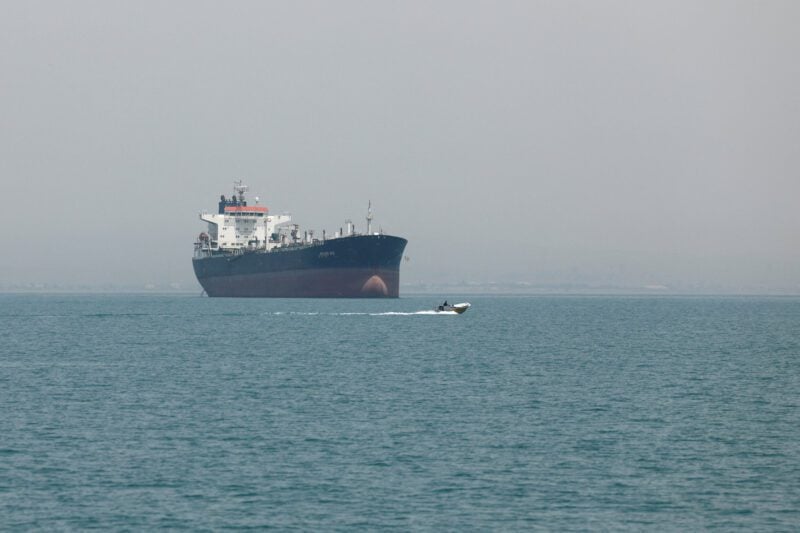
Escalating attacks around the Strait of Hormuz are exposing a mismatch between merchant ships’ emergency arrangements and the damage weapons can inflict, according to analysis published by gCaptain. The report calls for owners and technical managers to review equipment resilience and rehearse overlapping emergencies, as high freight earnings continue to attract vessels into the Gulf despite sharply reduced traffic.
Citing Reuters reporting on Washington Institute for Near East Policy data, gCaptain said October had recorded 28 confirmed and reported attacks by 23 October, the highest monthly tally in the institute’s records, which began in 2017. The total since the US-Israeli war with Iran began on 28 February stood at 113. Separate IMO and UKMTO figures differed because of their coverage and reporting methods. A Reuters review of IMO and MarineTraffic data found more than 30 very large crude carriers had been damaged, including 11 in October, representing about 3.5% of the global VLCC fleet.
The commercial incentives remain substantial. Reuters reported daily freight rates exceeding $1 million, while IMF PortWatch recorded just four Hormuz transits on 18 October, compared with a pre-war daily average of about 85, according to gCaptain. The strait normally handles roughly a fifth of seaborne oil and LNG, and a loaded VLCC carries approximately two million barrels, concentrating cargo value and pollution exposure in the same passage.
On 23 October, the UAE’s climate and environment ministry confirmed efforts to contain oil escaping from an offshore tanker. Beach closures followed across several emirates. The ministry neither identified the ship nor established the cause. However, gCaptain reported that international maritime agencies had identified the vessel as Gem No.2, which was struck in a suspected drone attack on 9 or 10 October; 22 Indian seafarers were rescued.
The analysis argues that safety provisions developed principally for accidental fires may be overwhelmed when a strike simultaneously breaches structural barriers, damages power supplies and disables firefighting systems. It recommends combined fire, flooding and blackout drills, alongside reviews of emergency cabling, pumps, fuel-isolation controls and pollution-response arrangements. These are proposed measures rather than new regulatory requirements. gCaptain also urges clearer abandonment guidance, attention to crew fatigue and the sharing of anonymised damage data by flag states and classification societies.